
FOR ATHLETES
Sports Dietitian for Athletes Who Want to Fuel to Compete
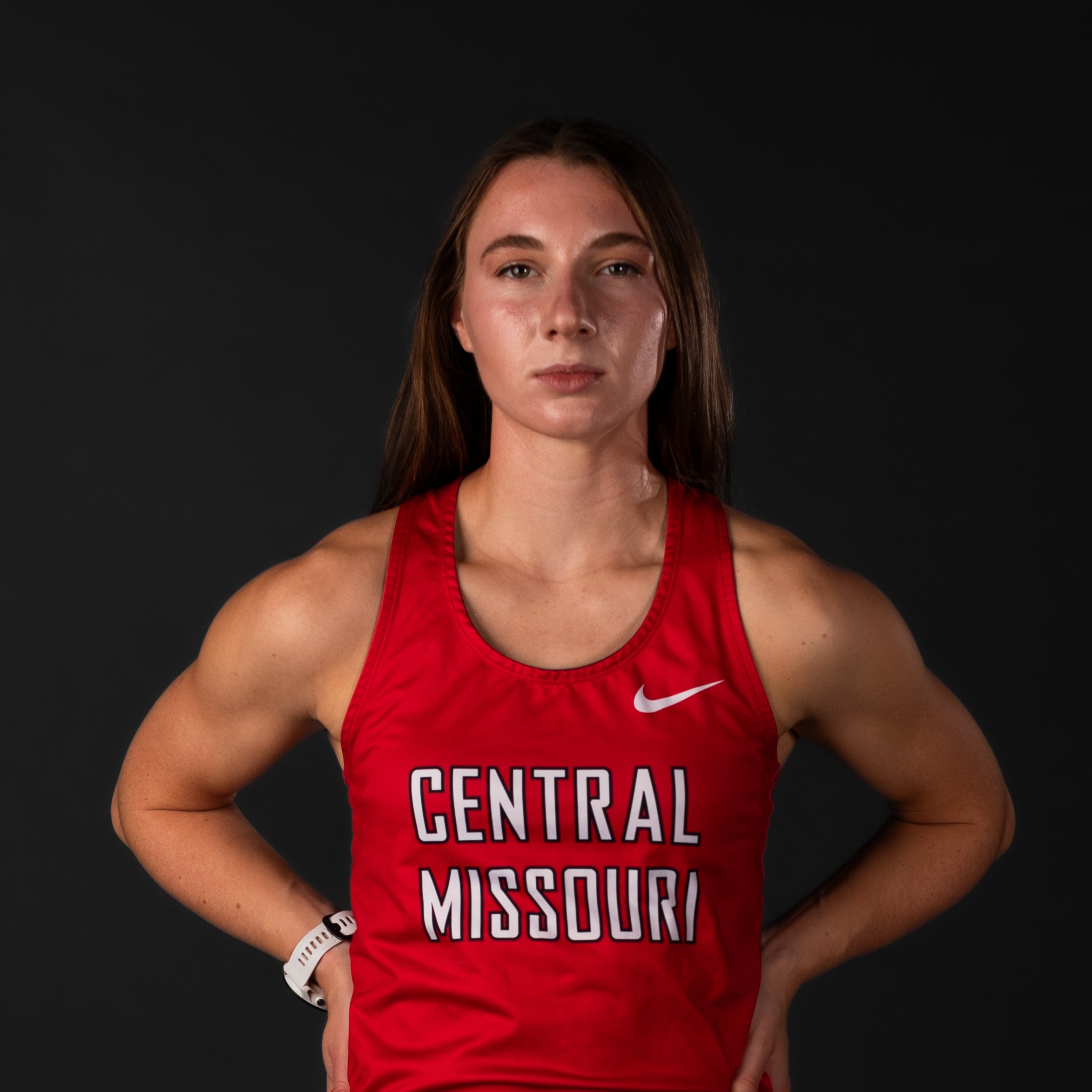
I’m a Registered Dietitian and a former NCAA Division II athlete. I ran track and field at the University of Central Missouri, so I know what it’s like to show up to practice under-fueled, juggle training with a full class schedule and wonder whether what you’re eating is helping or holding you back.
Reviewed by Emily Meeks, RDN, LDN | Updated November 2026

I’ve been where you are
As a college athlete, I learned how much nutrition affects everything: energy at practice, how fast you recover, how often you get hurt and how you feel on race day.
During my dietetic internship I also completed a community nutrition rotation with UCM Athletics, working directly with college athletes on their nutrition. I bring both perspectives to every session: the science, and the experience of actually living it.
How I help athletes
- Daily fueling: eating enough, at the right times, to train hard and keep your energy up
- Pre- and post-workout nutrition: what to eat before, during and after training so you recover faster
- Competition-day plans: meet, game and race-day fueling, including travel and early start times
- Hydration and electrolytes: for heat, long sessions and multi-event days
- Under-fueling and RED-S: recognizing low energy availability before it leads to injury, fatigue or missed periods
- Body composition, the healthy way: changes without crash dieting or hurting performance
- Plant-based and allergy-friendly athletes: meeting protein and energy needs with your food preferences
- Supplements: what’s worth it, what isn’t and how to choose safe, third-party tested products
Who I work with
High school athletes and their parents, college athletes, endurance athletes and runners, and active adults training for their first race or a new personal best.
I especially love working with football, track and field, cross country, wrestling, soccer and basketball athletes.
Fueling without food rules
Athletes are often told to cut foods or “eat clean,” and that advice can leave you under-fueled. My approach combines evidence-based sports nutrition with intuitive eating principles adapted for training: eating enough, eating consistently and trusting your body’s signals, so food becomes part of your training instead of a source of stress.
Covered by insurance?
Many insurance plans cover visits with a registered dietitian. Your coverage is checked before your first visit, so you know what to expect.
Meet from anywhere
Every visit happens by secure video, on your phone or computer. No commute, no waiting room, and easy to fit around work, school or practice.
Common questions
Do sports dietitians take insurance?
Many insurance plans cover visits with a registered dietitian, including sports nutrition. Your coverage is checked before your first visit.
How do I know if I’m eating enough to train?
Common signs of under-fueling include ongoing fatigue, frequent injuries or illness, stalled progress and, for women, missed periods. We’ll look at your training load and eating pattern together to make sure you’re fueled for your sport.
Do you work with high school athletes?
Yes. I work with high school athletes and their parents to build fueling habits around school, practice and competition schedules.
What is RED-S?
Relative Energy Deficiency in Sport (RED-S) happens when an athlete doesn’t eat enough to cover training. It can lead to fatigue, injuries, missed periods and slower performance, and a dietitian can help you fuel enough to prevent it.
Can you help with supplements?
Yes. We’ll review what you’re taking or considering, what the evidence says and how to choose safe, third-party tested products.
Ready to fuel your next season?
Whether you’re chasing a scholarship, a qualifying time or just more energy at practice, let’s build a plan that fits your sport and your schedule.